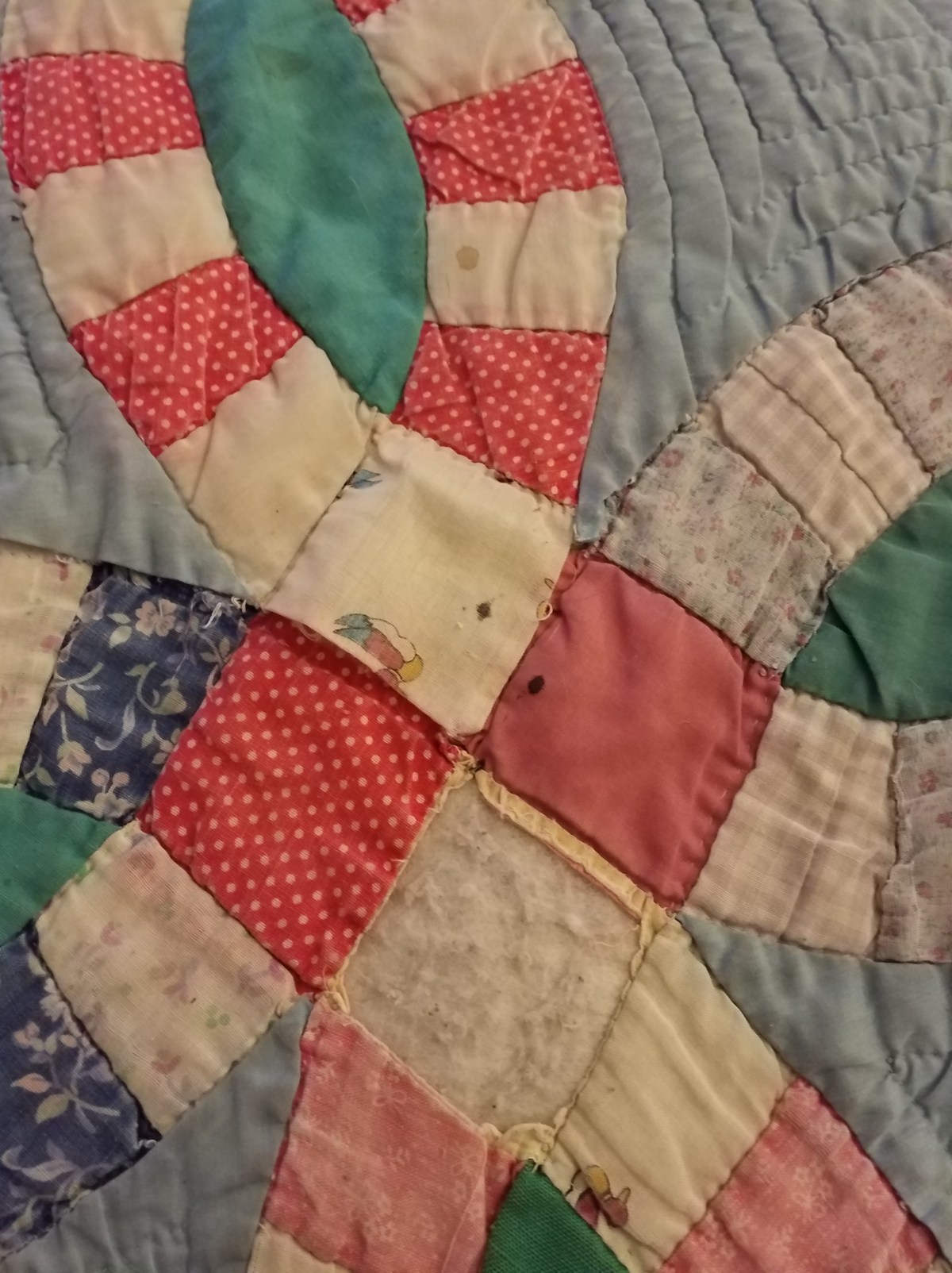
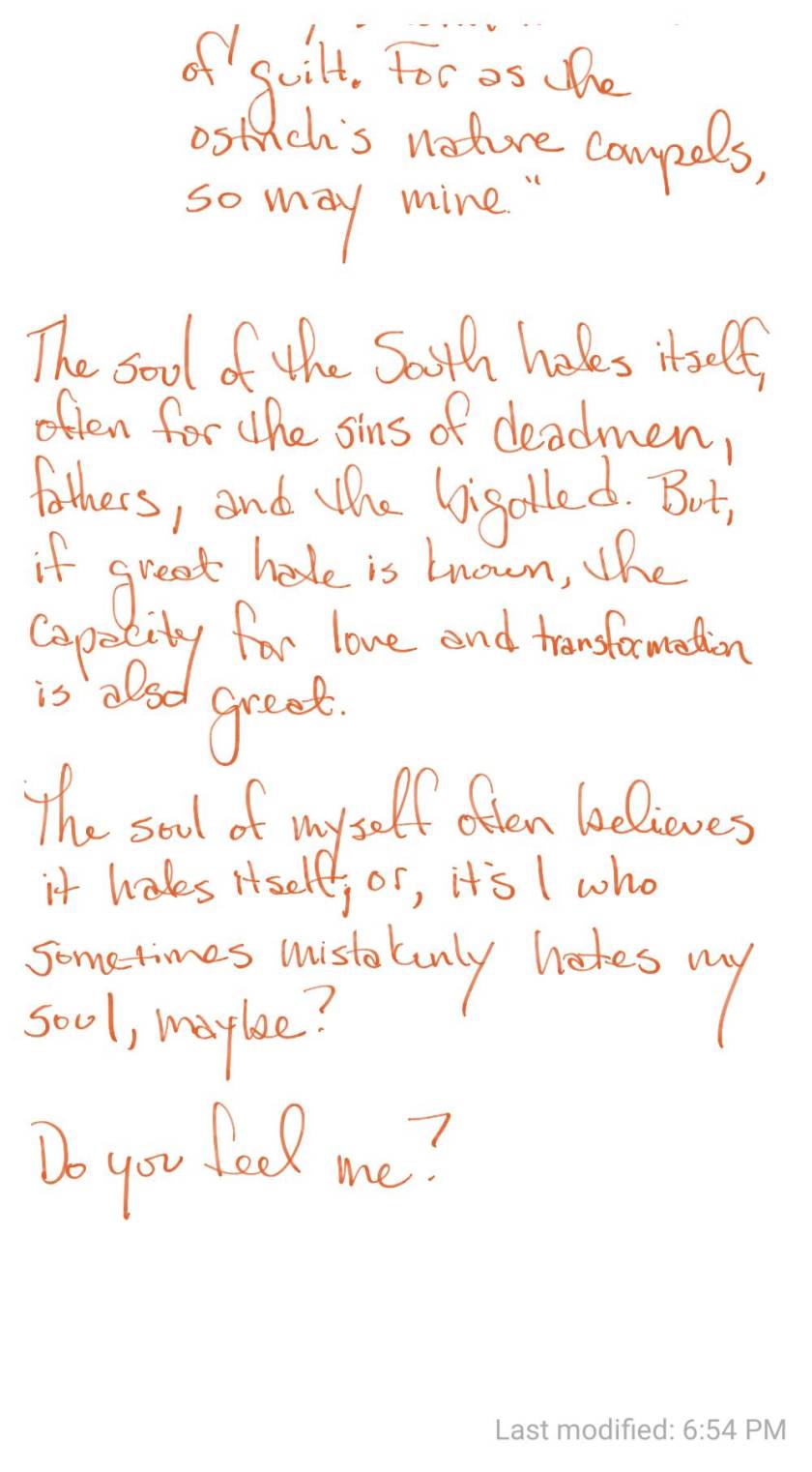
a young frayed quilt

It’s too early to worry on a non-weekday.

But then again what a nonsense thing to say.

Death and the love will come to us all through their own ways and means. Wild, wooly, whether you worry or not.

Ad hoc committees advise authority, argue about accountability, while ignoring the actual execution of manifesting the objects of their words.

Slings of arrows fly while mouths full of slang work tirelessly on the sly.

Mind abrasions

Sure it burns, but so do embers, Roman candles and other superficial pains.

Merely a skinned brain knee.

Seeking friction. Yet surprised upon finding that sought. Defamiliatization appears as though thru the lens of new prescription lenses.

What once was adequate is now questionably so.

Who is the knower and how can they confidently say so?

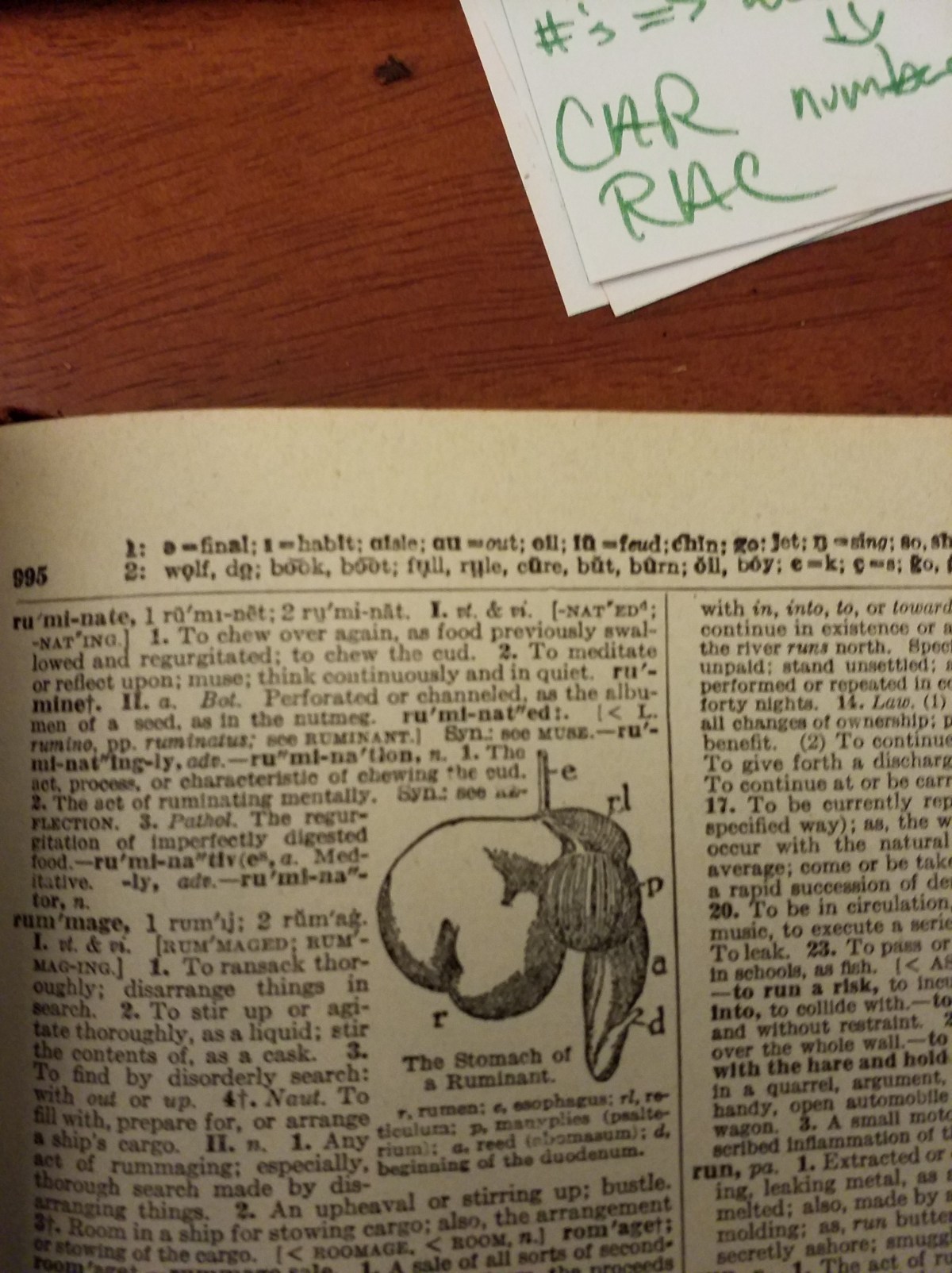
This is how we ruminate…

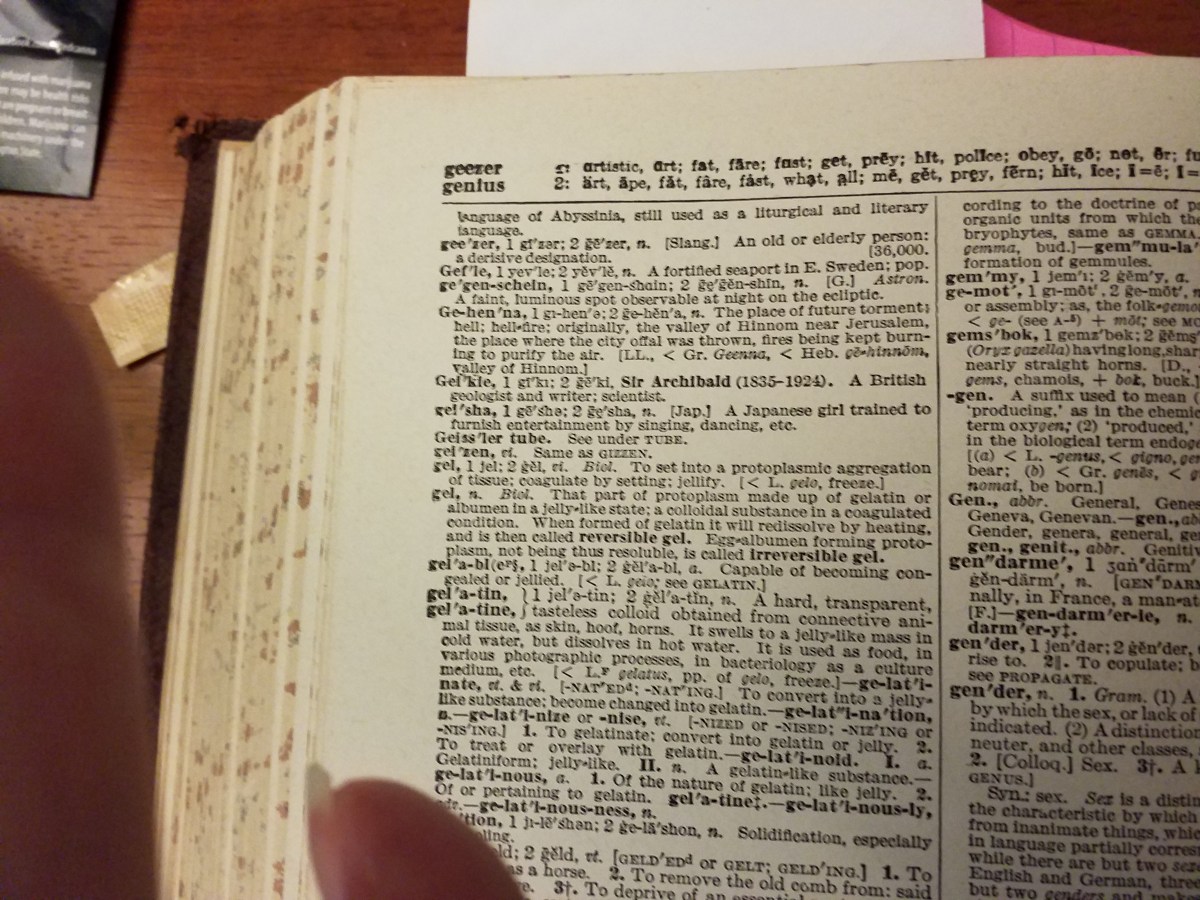
What’s a geezer you ask….

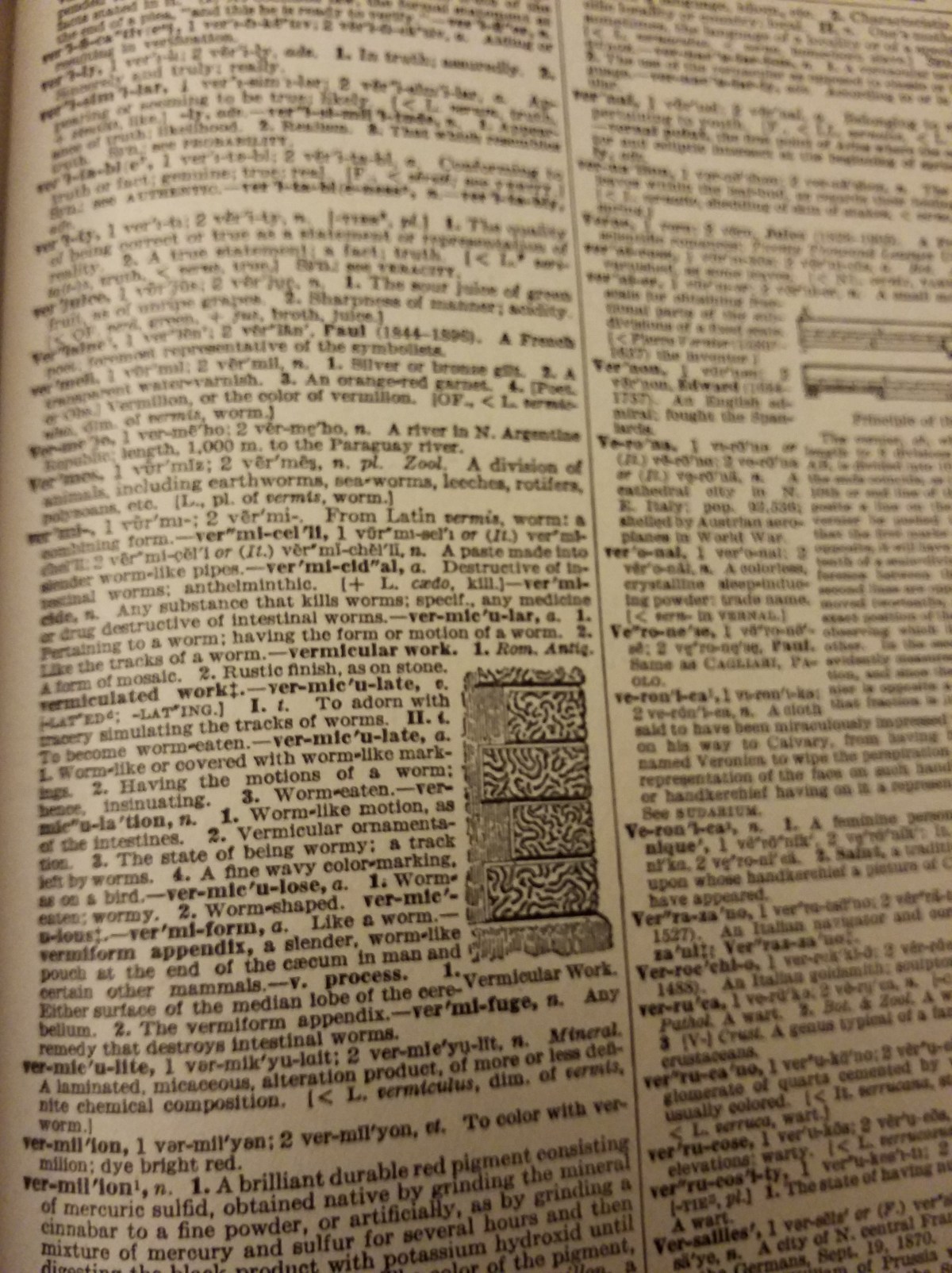
Curiouser and vermi-ser

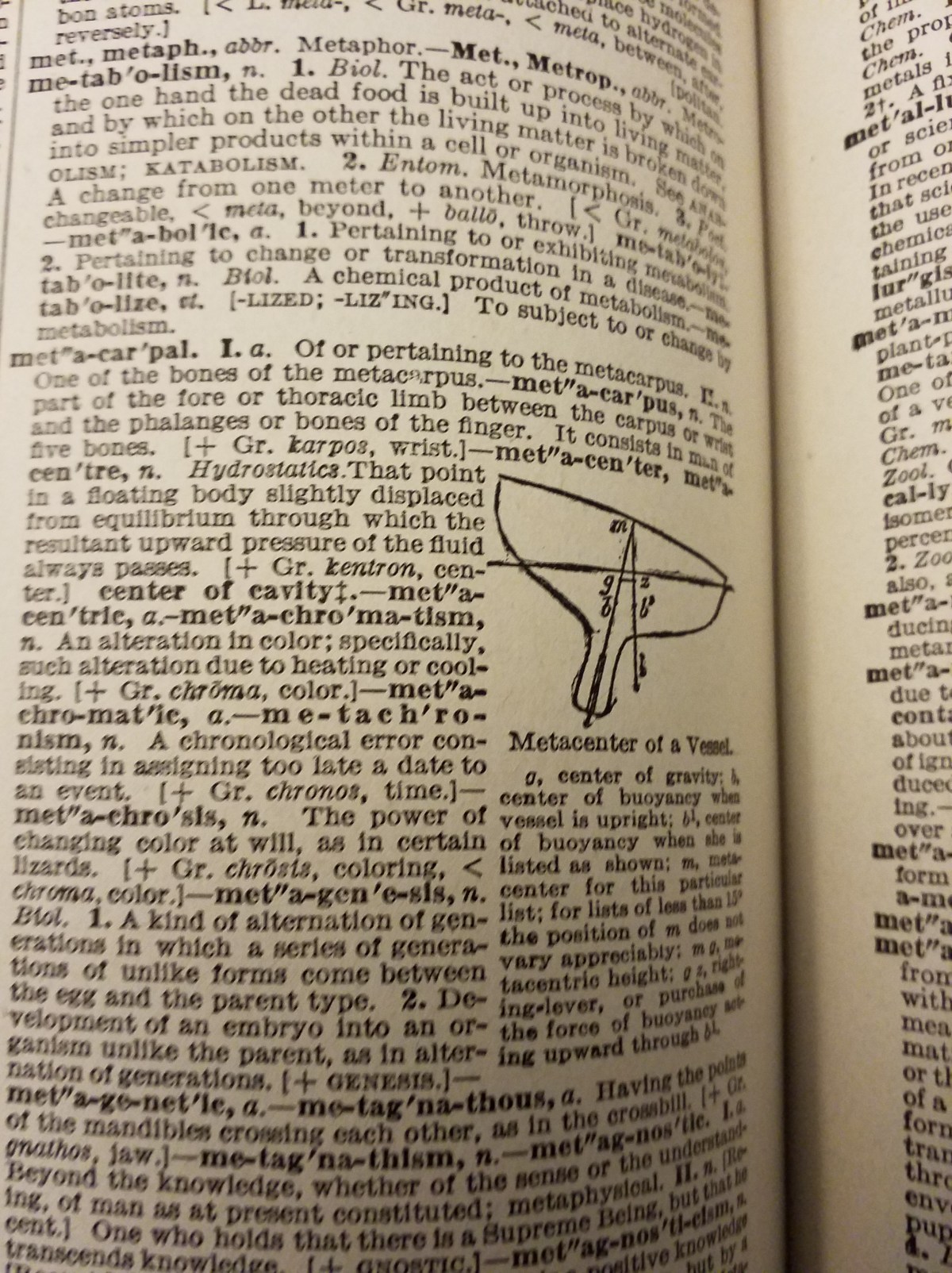
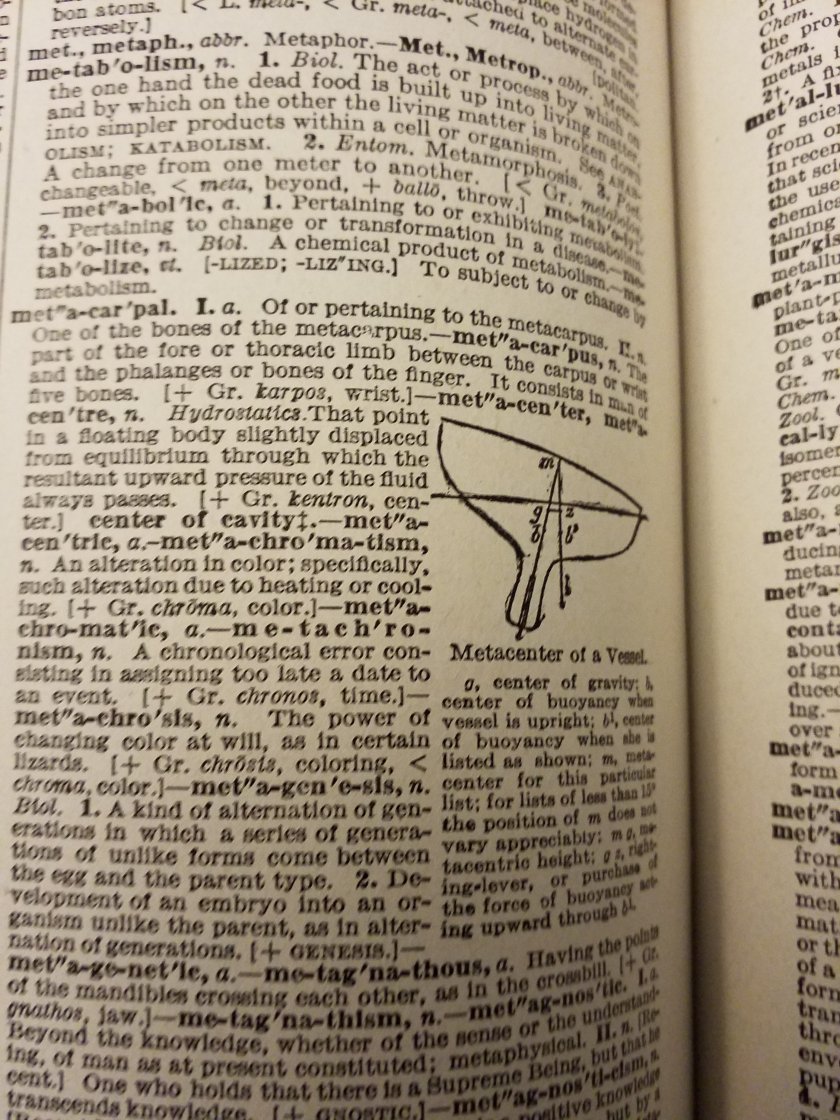
Metacenter of a Vessel

Where did they first list this phenomenological stuff.

Curiouser and curiouser said Alice Ladder

Alice Ladder’s Piece

Always be working towards transmutation

Evolution in five years or bust.

Pay your dues and be pedestrian.

Work to be ever working.

Work to be working at minimizing karmic footprints.

Now pitter patter, let’s get at ‘er.

Stand on your toes and take a breath of nothing less.

Tell me where play and work meet. I see no difference. But I am new.

Also, do things have to rhyme? That’s as precious as I’m smitten.

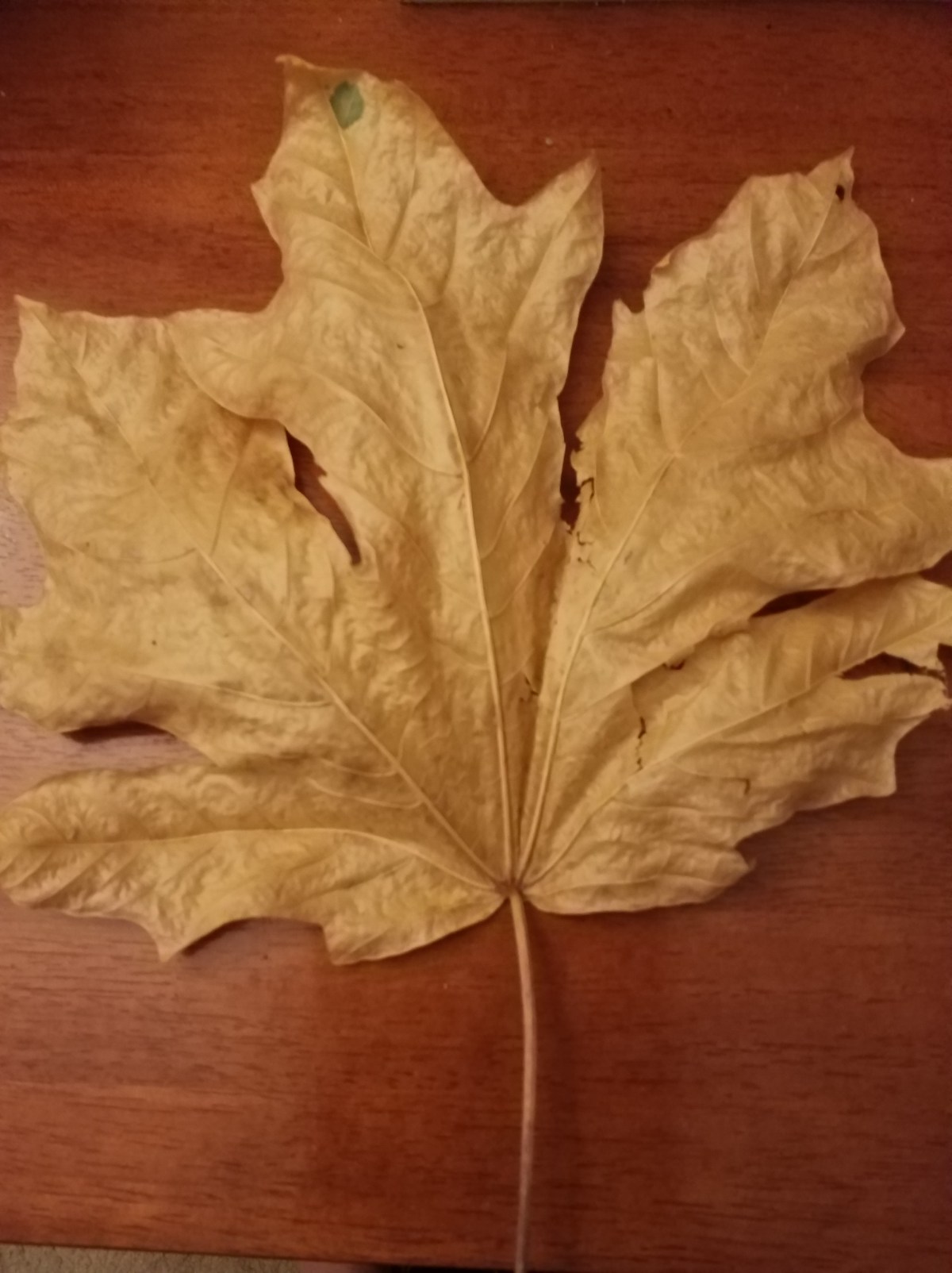
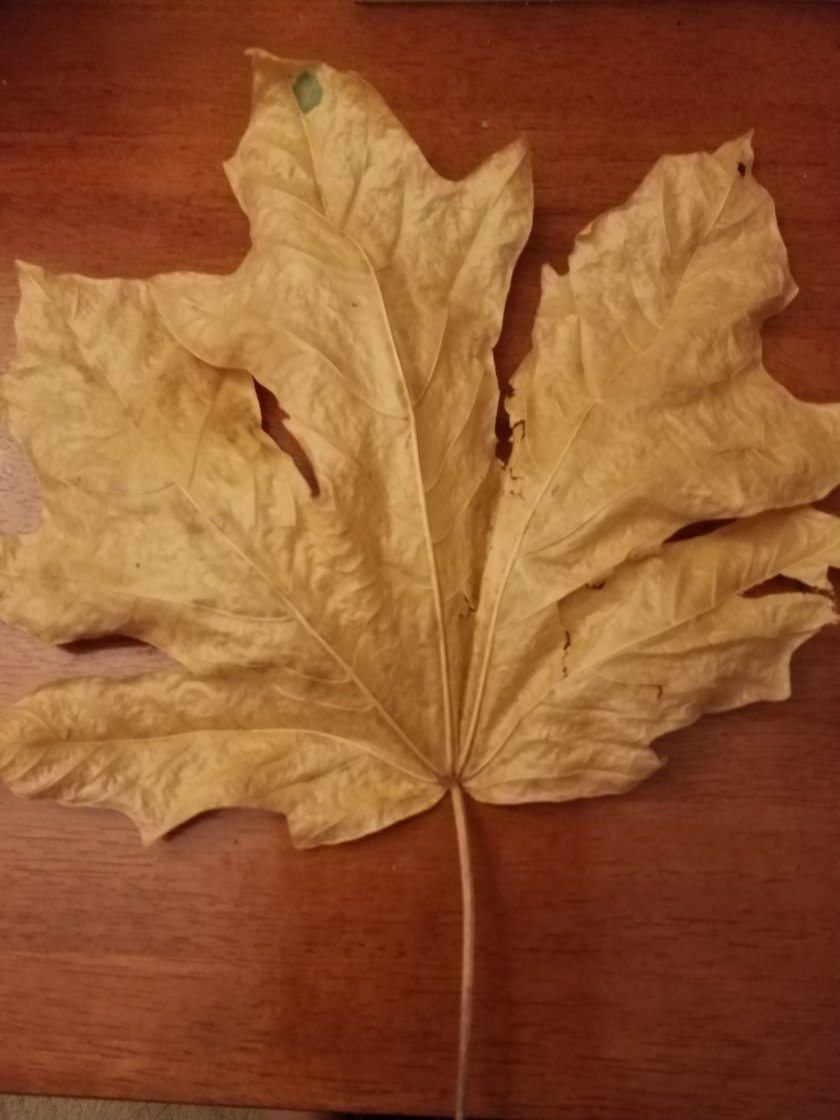
A leaf left in a study

Its been in my study for months.

It was yellow when I found it on the path.

How and why does the dot of green persist and how is such a simple thing so full of wonder?

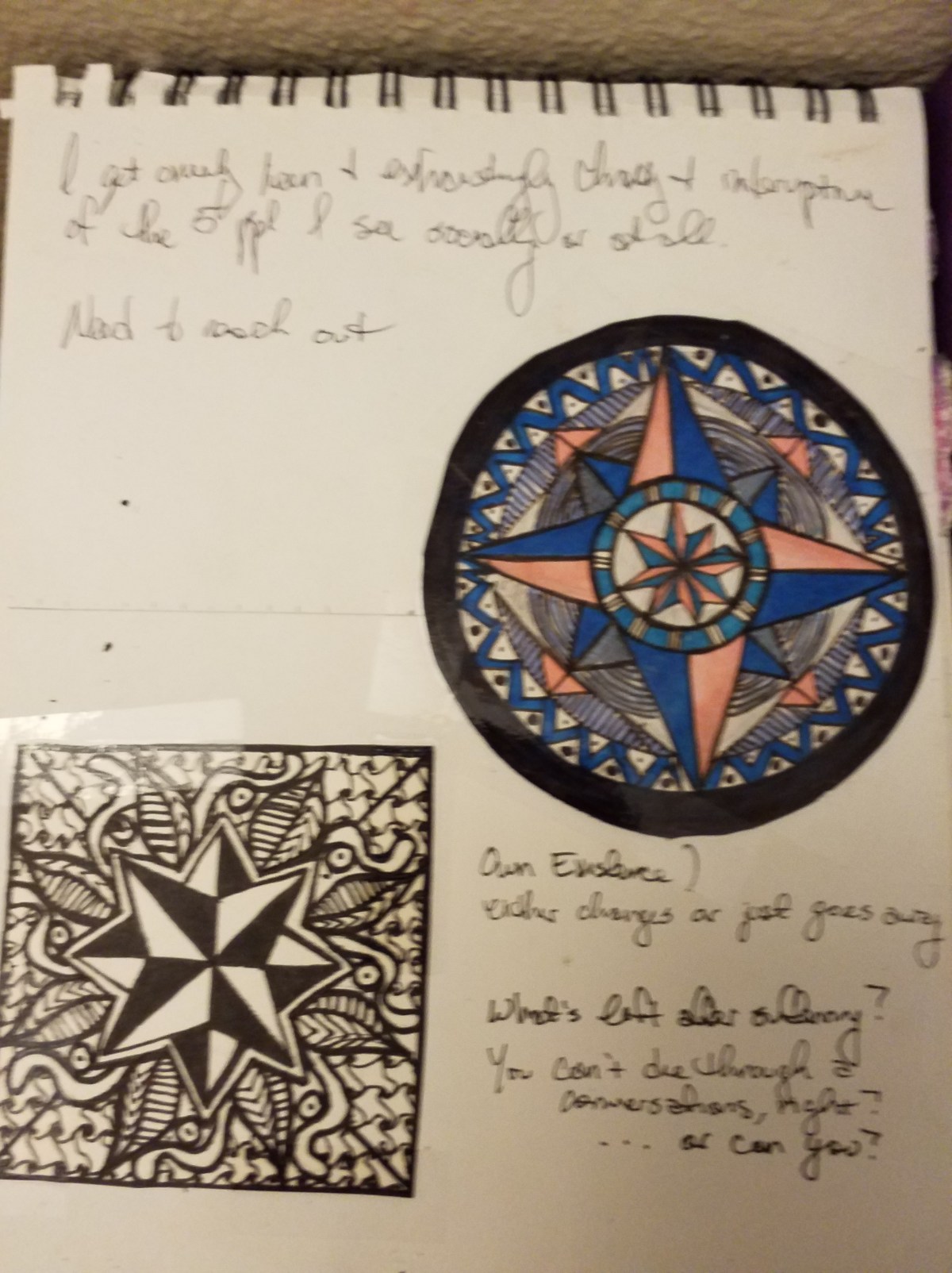
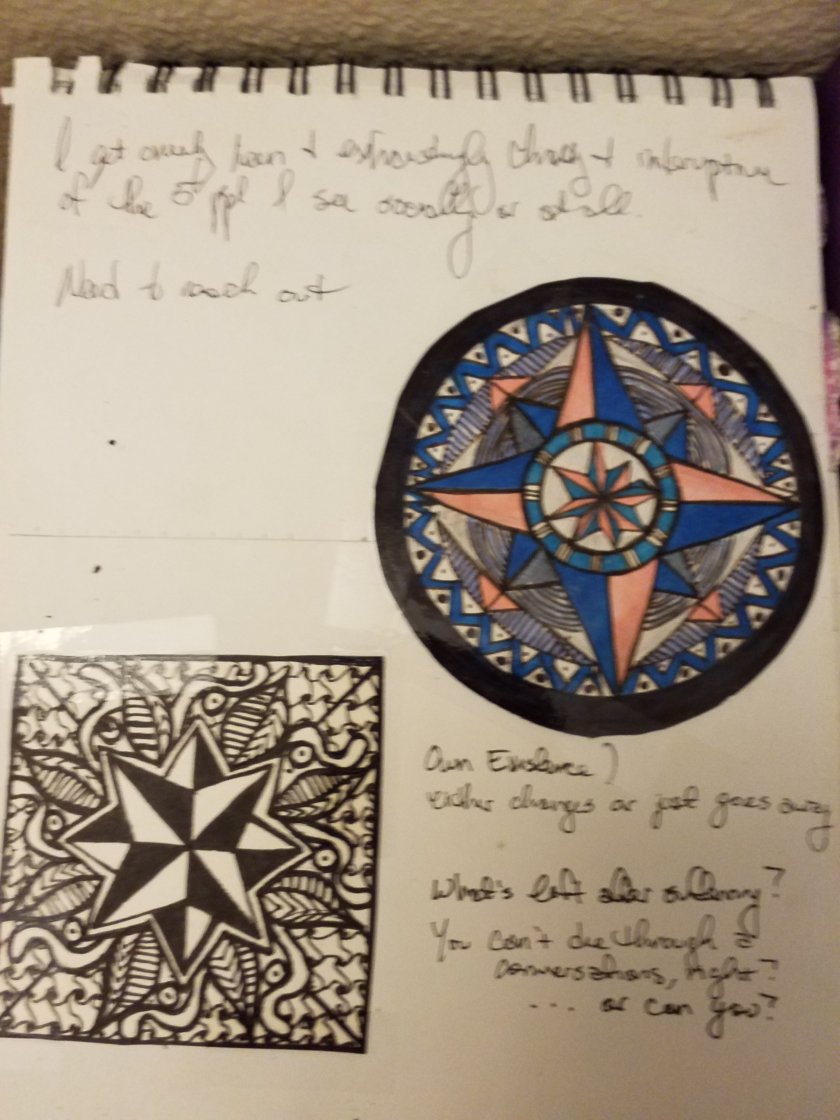
Rose compasses

The thing about confidence

Sometimes the appearance of secrets is more alarming than the revelation of the secret itself.

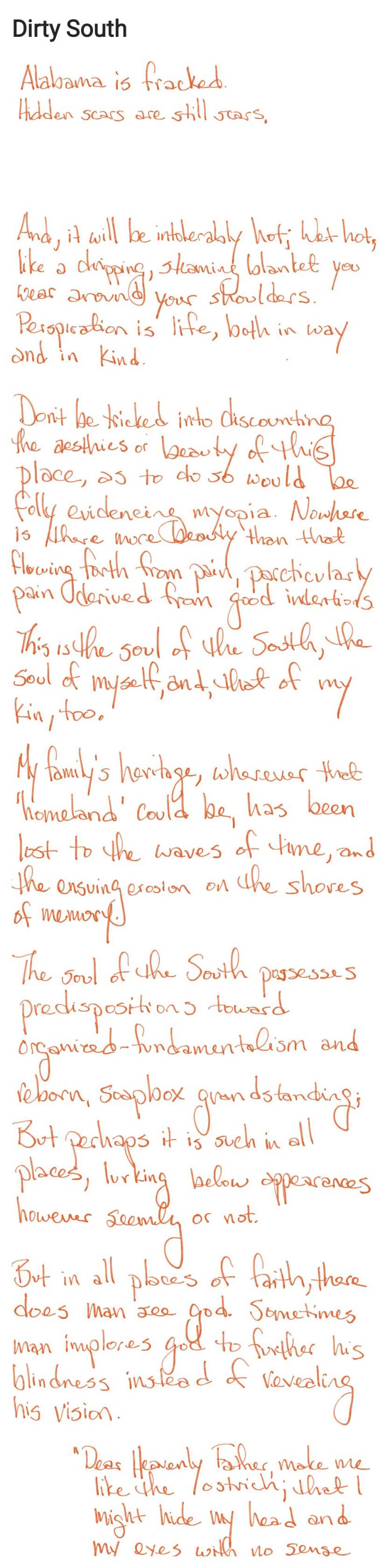
Dirty South

Uncertainty & Doubt


stucco

I spend a lot of time worrying about whether or not I am right when me submits a proposition and ascribes it to be truthful; and, I then spend a lot of time worrying about whether it is important or even relevant to worry at all about a proposition being true or not.

I know that I do not know nearly as much as me thinks myself knows.

I do not know what is actually knowable for the me that I know as myself.

Thus, how can I ever know if what I think is right or wrong?

More importantly, if knowledge exists outside of my realm of perception, it does not matter if I am right or wrong, the closest or not.

This makes me spend a lot of time worrying about how anyone can act like they know anything.  This terrifies me and myself because I do not want to  live in a world whose existence cannot be perceptible.

das-sasha-24274.jpg

But why does that terrify me?  Shouldn’t it liberate me from the responsibility of trying to be right and seek truth all the time.  If everything just is what it is; I could just be what I am or I could fret and fuss about proving that the my reality is knowable to me.  

It’s just too scary to get dropped into a world and have no clue how you got there, what you are, and what will happen when you inevitably are not here anymore.


What to Read Next-updated

post

You know the dismal depression that follows the finishing of a fantastic story?………………Okay, now that the uncool folks have left this post, you and I can really talk.  

The below my proposed remedy to being booksick.  ‘Booksick’ does not capture it, but it’s the best I’ve got at the moment. Any ideas on what to call the bitter-sweetness of finishing an amazing books?

Nonfiction-Science


Chaos: Making A New Science, James Gleick

Emergence: The Connected Lives of Ants, Brains, Cities, and Software, Steven Johnson

The Information: A History, a Theory, a Flood, James Gleick

Complexity:The Emerging Science at the Edge of Order and Choas, Mitchell Waldrop

Gödel, Escher, Bach: an Eternal Golden Braid, Douglas Hofstadter

Epistolary Novels (it’s a story told through a series of letters)

Perfectly Reasonable Deviations…: The Letters of Richard P. Feynman

Soul of the Age: Selected Letters of Hermann Hesse, 1891-1962, Hermann Hesse and Mark Harman

Frances and Bernard, Carlene Bauer

Dear Committee Members, Julie Schumacher

Letters of Note: An Eclectic Collection of Correspondence Deserving of a Wider Audience edited by Shaun Usher

Fiction-Life Changing

The Glass Bead Game, Hermann Hesse

The Great and Secret Show, Clive Barker

Ghost Story, Peter Straub

House of Leaves, Mark Danielewski

Philosophy-for amateurs and pros

The Confessions, St. Augustine
 

Consciousness and Self-Awareness. Informal

Certainly a dog has more self-awareness than do insects.

A dog displays a sense of self during interactions with a dog pack. A hierarchy exists within a pack and every member knows its position. For this to occur, the dog must have an awareness of things existing outside and independent of itself. The dog must also conceptualize its life relative to the lives of other dogs.

A dog adjusts its own behavior in response to the behavior of another dog. The two dogs are working together. They are aware of their own existence and the existence of others.

The rules of the pack hierarchy are tacitly accepted, known, and enforced by all members of the pack. The dogs create something appearing quite similar to a little society-a system of interactions collectively conspiring to create a greater likelihood of survival and reproduction than pack members could expect were they to live alone.

Dogs seem to have selves because cooperation has been/is selected for in the milieus within which dogs exist/ed. A dog does not have the faculty or facility for language, nor does it have an opposable thumb. These are two things possessed by humans alone. These are two things making us unique. Yet still, the self-awareness of dogs seems of a different substance than your, mine and everyone else’s self-awareness.

I assert self-awareness is a condition required of mammals. I assert self-consciousness is a phenomenon separate from consciousness (i need to define consciousness here). I assert that humans are the sole possessors of consciousness but that this is and always has been subject to change. I proclaim self-awareness and its interactions with the reality in which it finds itself produced the conditions under which consciousness could arise. I say human consciousness is the evolutionary product of self-awareness experiencing reality through sensory organs. Further, it was these interactions occurring within the valleys and peaks of a very, particular fitness landscape and that these interactions, over time, created a milieu in which it was advantageous to have a more refined and intuitive awareness of self and the local environment. By advantageous, I mean, a more sophisticated self-awareness created more opportunities for survival until a reproductive age, more opportunities to reproduce at that age, and a better ability to ensure the survival and health of offspring until they grew.

I proclaim that self-awareness enabled society. But it was the complex system of interactions occurring between and among the social structures of a society and the humans whose interactions make up that society, which selected for the phenomenon which we call human consciousness.

Self-awareness led to society and society led to increased and more refined self-awareness. The further interactions of selves and society produced a complex system whose interactions resulted in the two novel epiphenomena we call “culture” and “consciousness.”